+86 13370037785
lzckgylgl@163.com

{{ variable.name }}
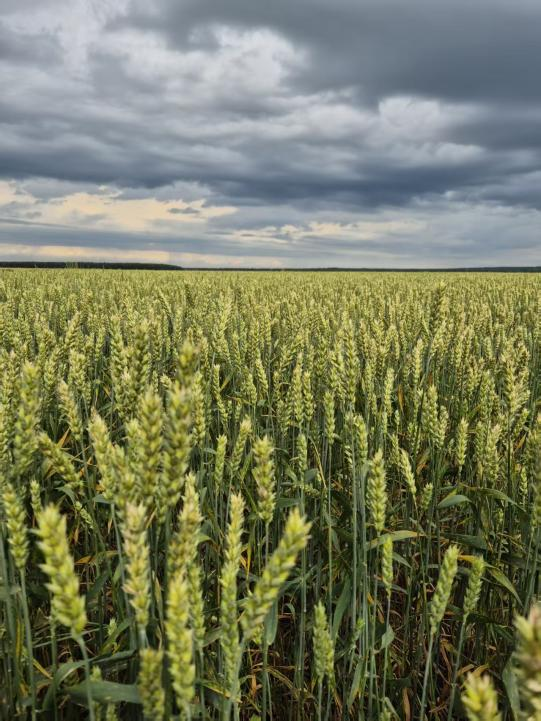

I. Product Positioning and Core Value
Wheat, as a core category of low-gluten grains, with its inherent characteristics of "low gluten protein and high starch gelatinization degree", has become a key raw material in the fields of baking, snack foods, and grain and oil processing. It endows terminal products with the core competitiveness of "soft texture, fine taste, and stable output", and is a strategic raw material for the food industry to achieve "cost reduction and efficiency improvement + quality upgrade".
II. Variety Characteristics and Regional Advantages
(1) Variety Characteristics
Gluten protein content: ≤8.5% (dry basis), loose gluten network, excellent dough extensibility (stretches resistance ≤200 BU, extensibility ≥180 mm), suitable for "low-gluten demand" production scenarios;
Starch composition: amylose content 24%-26%, low gelatinization temperature (58-62℃), easy to form uniform pore structure during baking, increasing product puffiness by ≥30%.
(2) Core Region Endowment
Core planting zone:
Annual accumulated temperature 2800-3200℃·d, diurnal temperature difference during grain filling period ≥15℃, promoting starch crystallinity improvement (crystallinity ≥35%), enhancing wheat aroma by 25%;
Soil organic matter content ≥4%, reducing fertilizer dependence, pesticide residue control better than EU standards (≤0.01 mg/kg), meeting the requirements for high-end market access.
III. Quality Control System and Certification Assurance
(1) Full Chain Inspection Standards
Physical and chemical indicators: gluten index ≤40, ash content ≤0.55%, falling number 300-350 s (stable enzyme activity, ensuring production line continuity);
Safety indicators: aflatoxin B₁ ≤5 μg/kg, heavy metals (Pb ≤0.2 mg/kg, Cd ≤0.1 mg/kg), simultaneously meeting GB 1351 (national standard) and EU 1881/2006 (EU) standards.
(2) Traceability and Certification
Blockchain traceability system covers the entire process from planting (GPS positioning), harvesting (timestamp), storage (temperature and humidity curve), to processing (batch flow), with real-time data accessible, meeting the requirements of customs and supermarket factory inspections;
Has obtained ISO 22000 (food safety management), HACCP (critical control points), and KOSHER (Jewish kosher food) certifications, suitable for diverse market demands (such as halal and organic channels).
Cooperation Value and Competitive Barriers
Cost optimization: increased flour yield + production line adaptation, reducing comprehensive processing costs by 10-18%, equivalent to increasing profit margin by 6-10 percentage points;
Quality stability: fixed planting area + full chain quality control, quality difference between batches ≤3% (industry average 8-10%), ensuring "zero customer complaints" for terminal products;
Service extension: joint baking laboratory provides technical support for formula optimization (such as reducing emulsifier usage in cakes by 15%) and process debugging (shortening proofing time by 20%), reducing customer R&D investment.
We sincerely invite partners from the food processing, grain and oil trading and other industrial chains to engage in in-depth cooperation. Relying on the differentiated advantages of soft wheat, we will jointly create a high value-added product matrix. If you need detailed technical parameters, test reports or sample matching, you can start business negotiations at any time. We will provide "customized solutions + full-cycle services" to help partners build market competitiveness.